German literary scholar, Rudolf Unger, argued that literature does not merely translate philosophical knowledge into imagery and verse. He claimed that literature expresses the general attitude towards life prevalent in a particular period and place. Therefore, poets (and by extension, writers) tackle important questions which are also within the sphere of philosophy. However, where philosophy is organized and structured, the poetic or prosaic approach is unsystematic. Where philosophy is scholarly and academic, literature is vivid and dramatic.
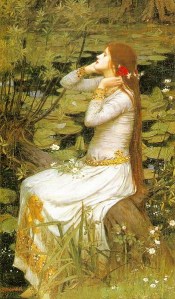
Literature is philosophy in that it expresses the general attitude towards life prevalent in a particular period and place. (Image: public domain)
Literature typically deals with a narrowed set of philosophical problems that engage even the most ordinary person.
The Problem of Fate
The critical issue with fate is the relation between freedom and necessity. The key question is how much control we have over our own lives. Are we completely free to do as we please? Conversely, do the harsh dictates of necessity determine what we can and must do? Is there middle ground? Do we at least have free will with the ability to choose among a limited number of viable alternatives?
Continue reading “Literature Is Philosophy for Its Time” Thomas Cotterill